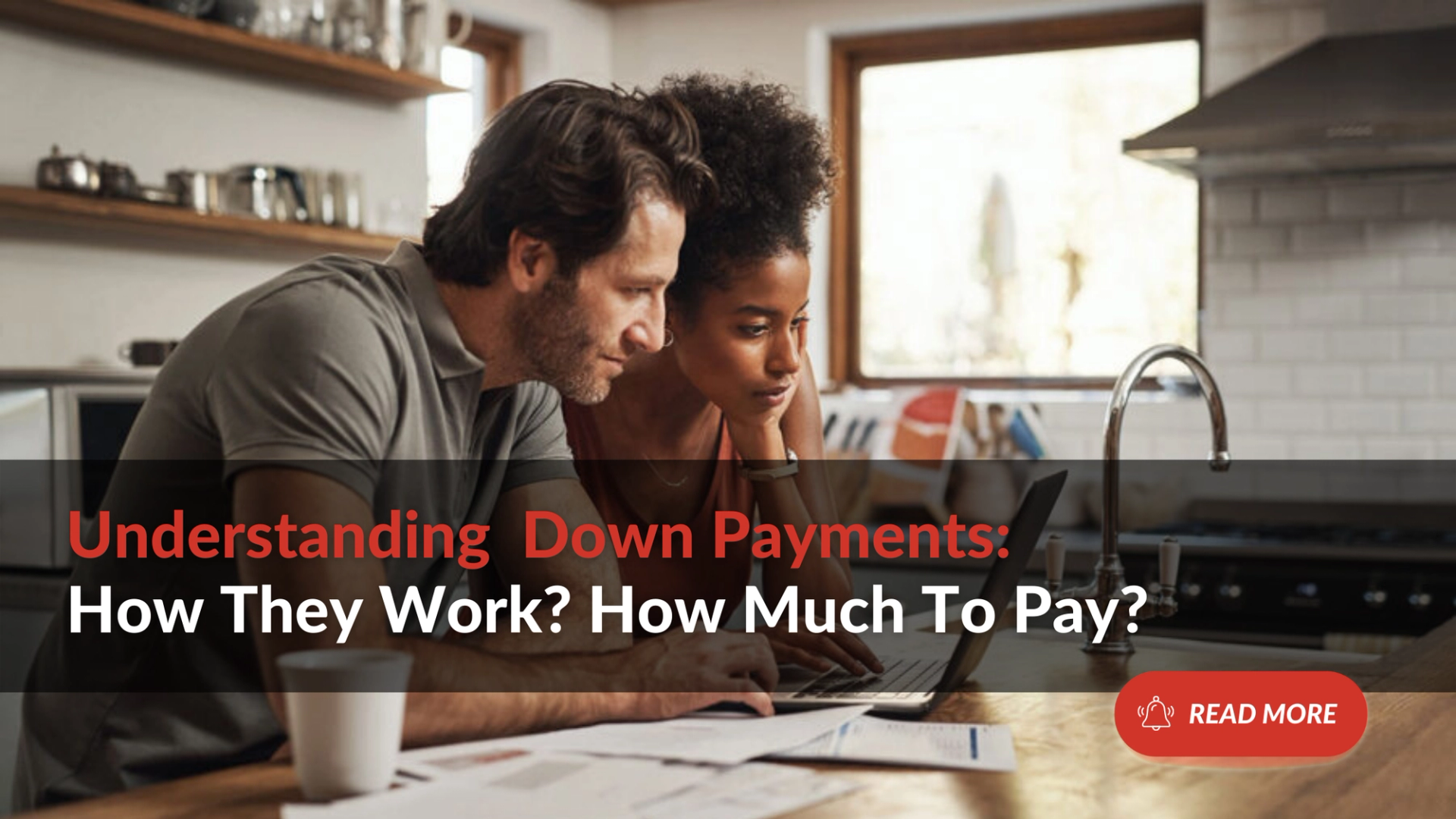
Understanding Down Payments: How They Work? How Much To Pay?
Both large and small down payments have their own unique set of benefits. It’s important to weigh them carefully and work with a lender on your own personal financial situation before making a decision.
How Total Quality Lending is different.
Make The Transition to Homeownership.
If you’re ready to put renting behind you and make the transition to homeownership, you’ve probably already begun to save for a down payment. But how much money do you exactly need and how can you properly save for a down payment until you’re ready to pull the trigger? These are all common questions first-time home buyers ask themselves in preparation for purchasing.
Before anything, you need to first understand what down payments are and why they’re required for purchasing a home. You might be surprised to know that the downpayment can range from as little as 3% to as much as 20% for a property. This is actually determined by the type of mortgage you choose, the financial situation, and the type of property you’re buying.
How do Down Payments Work?
If you’re a first-time homebuyer you’re probably thinking about how do down payments exactly work. The amount you actually decide to pay for a down payment can dictate the terms for a few different aspects of your mortgage repayment process.
A larger down payment, for instance, may actually get you into a more expensive property or a lower interest rate. However, it’s important to note that there are scenarios where you want to put down less which affects the conditions of your loan.
The size of your down payment has a specific impact on the interest rate our team will set for your loan. In most instances the larger the down payment you offer, the lower your interest rate may be. A larger down payment generally means less risk and means a lower interest rate.
With a lower interest rate, you’ll be able to save on your monthly payment and pay less interest over the life of the loan. On the other hand, if you decide to put down less money upfront, you might end up with a higher interest rate on your loan.
For a closer look at how your monthly payment can be affected by the size of your down payment, try our mortgage calculator.
Types of Payments
Benefits of a Larger Down Payment
Lower Rates And Premiums
Larger down payments lower the financial risk. The larger your down payment, the less you have to pay each month in both principal and interest. Think of a down payment as an interest-free way to get a jump-start on paying off your home.
Avoid Mortgage Insurance
Certain types of loans require you to pay mortgage insurance. On a conventional loan, you generally need to put 20% down to avoid paying private mortgage insurance, which is usually a monthly fee that you pay as part of your monthly payment or is paid up front by the lender in exchange for a slightly higher interest rate. On an FHA loan, 20% down could be the difference between paying for mortgage insurance for the life of your loan and paying mortgage insurance for just the first 11 years.
Lower Debt-To-Income Ratio (DTI)
A lower DTI means you may have more borrowing power in the future. DTI represents how much of your monthly income goes toward paying off debt. A high DTI can prevent you from getting other loans or credit. (Most mortgage lenders look for a DTI of about 45% or lower.) If you’re looking to take on other loans or buy a second home, then borrowing less (by putting more down) could keep your DTI manageable.
Like and share if this was helpful. What questions can we help answer on your homeownership journey?
Benefits of A Small Down Payment
Buy Sooner
A 20% down payment can take years or even decades to save for, depending on your income. A lower down payment can help you own a home sooner.
Money For Repairs And Renovations
Emptying out your savings for your down payment might not help in the long run. As a new homeowner, you may find that you need more money for repairs and renovations than you thought. Setting aside this money upfront can make homeownership less stressful.
Keep An Emergency Fund
You won’t have to dip into your emergency fund. Keeping some money in the bank for emergencies is a smart move. You don’t want to have to pay for unexpected car repairs or medical bills on credit. Hanging onto some of your money could give you peace of mind and be a cheaper way to cover emergency costs.
Money For Other Ventures
Consider the opportunity cost of putting down more money on your home on the front end. Though you might be able to get a lower interest rate and monthly payment, it might make more sense for you to use that money for college tuition, investing or something else.
Conclusion
Moving to homeownership this year will pay off significantly this year as homeowners recorded record breaking equity as well fueling their financial wealth. Link with someone on our team to discuss your options.